Living near the ocean has its perks, but it also brings unique wear and tear to the things we rely on every day. The salty air, constant breeze, and year-round humidity can take a toll on home appliances before we even notice something’s wrong. Over time, that salty moisture works its way into our spaces and starts slowly damaging finishes, seals, and internal parts.
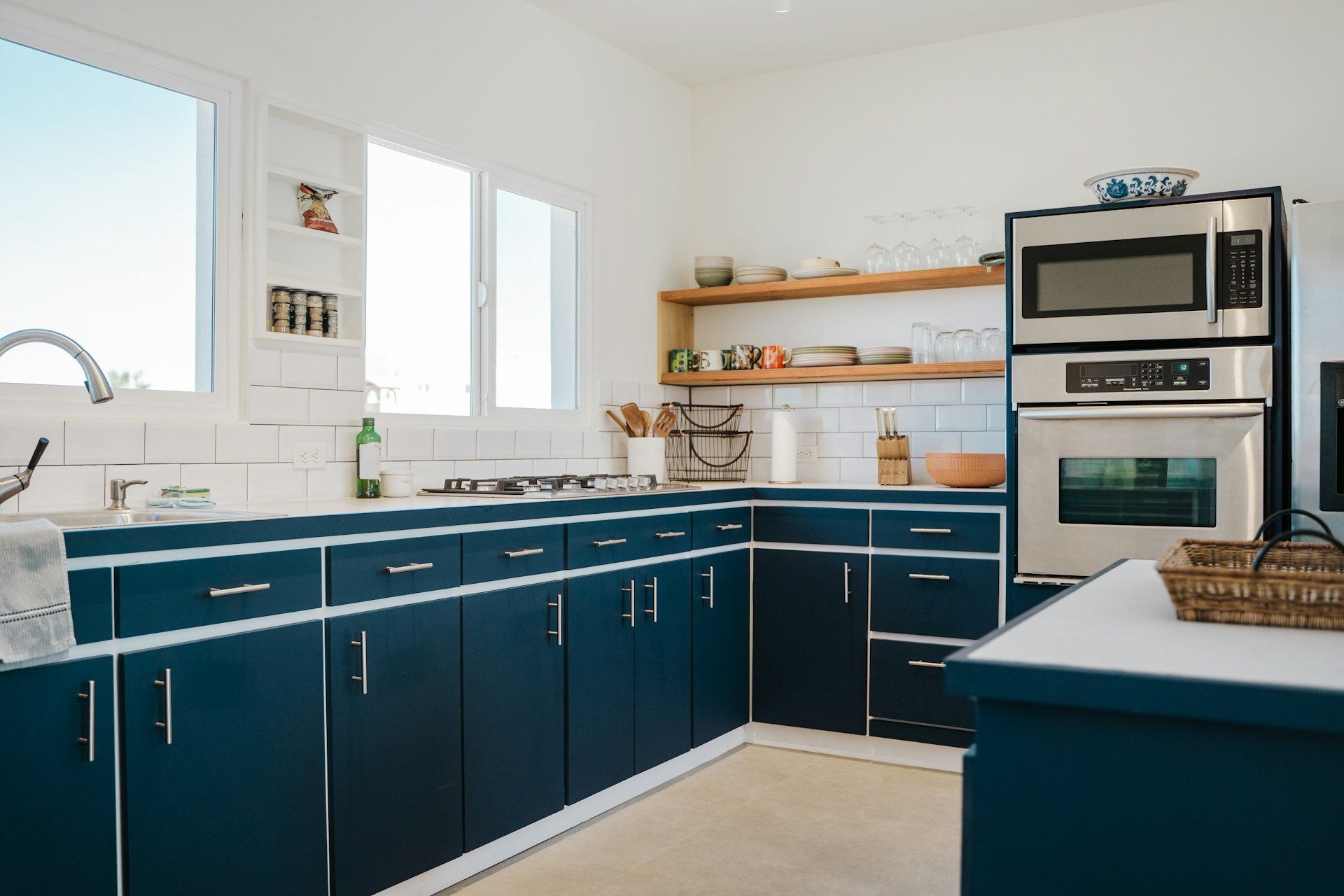
Appliances in Honolulu face these conditions daily. Homes often stay open for airflow, especially in warmer months, and that gives salt spray paths into kitchens, laundry rooms, and garages. It doesn’t take long for small effects to turn into bigger issues. That’s why it helps to take a few simple steps to protect appliances before heavy damage sets in. Here's a look at what we keep an eye on to keep things working longer in island weather. At Ross Appliance & Mattress, many of the appliances we sell are re-purposed and remanufactured brand name units, and each one includes a full warranty to support long-term use in coastal homes.
Watch Where You Place Your Appliances
Placement matters, especially when the wind carries salt through open windows and lanai doors. Letting salty air hit appliances every day adds up, so we try to give our machines a fighting chance by placing them in smart spots.
Here are a few things we usually check for:
- Don’t set appliances directly by sliding doors or open-facing windows
- Avoid placing units directly in front of airflow paths where outside breezes blow through
- Add shelving, wall buffers, or covers to block direct exposure to outdoor walls or fences
Even in sheltered spots, it’s still possible for wind to pull salt inside. Where appliances go can impact how long they last, especially if they’re near open air flow or don’t have some kind of shield from the breeze.
Wipe Down Surfaces Often
Salt hangs in the air here, and it settles onto appliances more than many people think. If you've ever seen white dust or a sandy film on your counters, that's a good sign salt's reaching your machines too. Wiping it away before it builds up helps a lot.
We recommend focusing on:
- The top and sides of machines that sit near open doors or windows
- Door seals and control buttons, since moisture tends to sit there
- Hinges and areas where metal meets plastic, as salt likes to collect in small creases
When wiping down your appliances, use a damp cloth with plain water. No need for harsh cleaners. They can break down paint or rubber parts, making things worse in the long run.
Look for Corrosion Before It Grows
Corrosion often starts in places we hardly look. That’s why we try to spot it early. A couple of rusty screws or a bit of bubbling paint may not seem like much, but they’re signs salt and moisture are finding their way in. Small repairs are always better than big replacements.
Here’s where to check:
- Screws, brackets, and seams where two materials meet
- Behind control panels or knobs where salty air can sneak in
- The back of the machine, especially close to outside walls
If you notice flakes, rust, or paint changes, it helps to keep the area dry and well-ventilated. In some cases, we bring in a repair service to see if parts can be replaced before they break down completely.
Help Air Flow Do Its Job
Humidity slows things down. It keeps dryers running longer, fills fridges with warm air faster, and makes it harder for machines to cool off the way they should. One of the best things we do in our own spaces is to help appliances breathe better.
We stick to a few simple habits:
- Clean lint traps after every dryer load, and vacuum behind the unit often
- Keep refrigerator coils free of dust by gently brushing them every few months
- Don’t pack baskets, bags, or boxes right up against the sides or backs of machines
Good airflow helps machines work without overheating. That means they last longer and use less electricity trying to do their job.
When to Ask About a Better Fit
Some appliances just aren’t made to put up with island weather forever. If something’s getting louder, slower, or hotter than it used to, it could be a sign that time and salt have taken their toll. Not every issue means the appliance has to go, but we take signs like these seriously.
It helps to think about:
- Whether the appliance has features that protect it from salt air, like sealed backs or coated metal
- How much more power it’s using lately to do the same work
- How often it needs small fixes or part replacements
Newer or remanufactured appliances that are built with our kind of climate in mind often come with better protection against the usual issues we see in island homes. If something’s wearing out faster than expected, it might make sense to look into models that offer better long-term performance. For most Oahu addresses, we also offer island-wide delivery for a flat $75 fee, and our crews can remove your old appliance during the same visit when haul-away is arranged ahead of time.
Keep Island Living Comfortable and Low-Stress
Living in Honolulu means sunshine, trade winds, and open homes are part of daily life. We don’t want to close things up or stop enjoying iced drinks and ocean air just to keep our appliances safe. The good news is, we don’t have to. A little care goes a long way.
By choosing better places to install appliances, wiping them down often, and checking for early signs of wear, we give them a better chance to keep doing what they’re meant to do. Add in some regular airflow checks and attention to changes in performance, and we save ourselves the stress of rushed repairs or broken machines when we need them most. When those small tasks become habits, appliances in Honolulu work better and stay stronger all season long.
If your current setup is struggling against salty air or showing signs of wear, it might be time for an upgrade that’s made to last. Ross Appliance & Mattress offers a wide selection of
remanufactured appliances in Honolulu that are built to withstand the unique challenges of island living. Each unit comes backed by a full warranty and support to help you stay comfortable year-round. Taking that next step now can save you from even more costly repairs later.