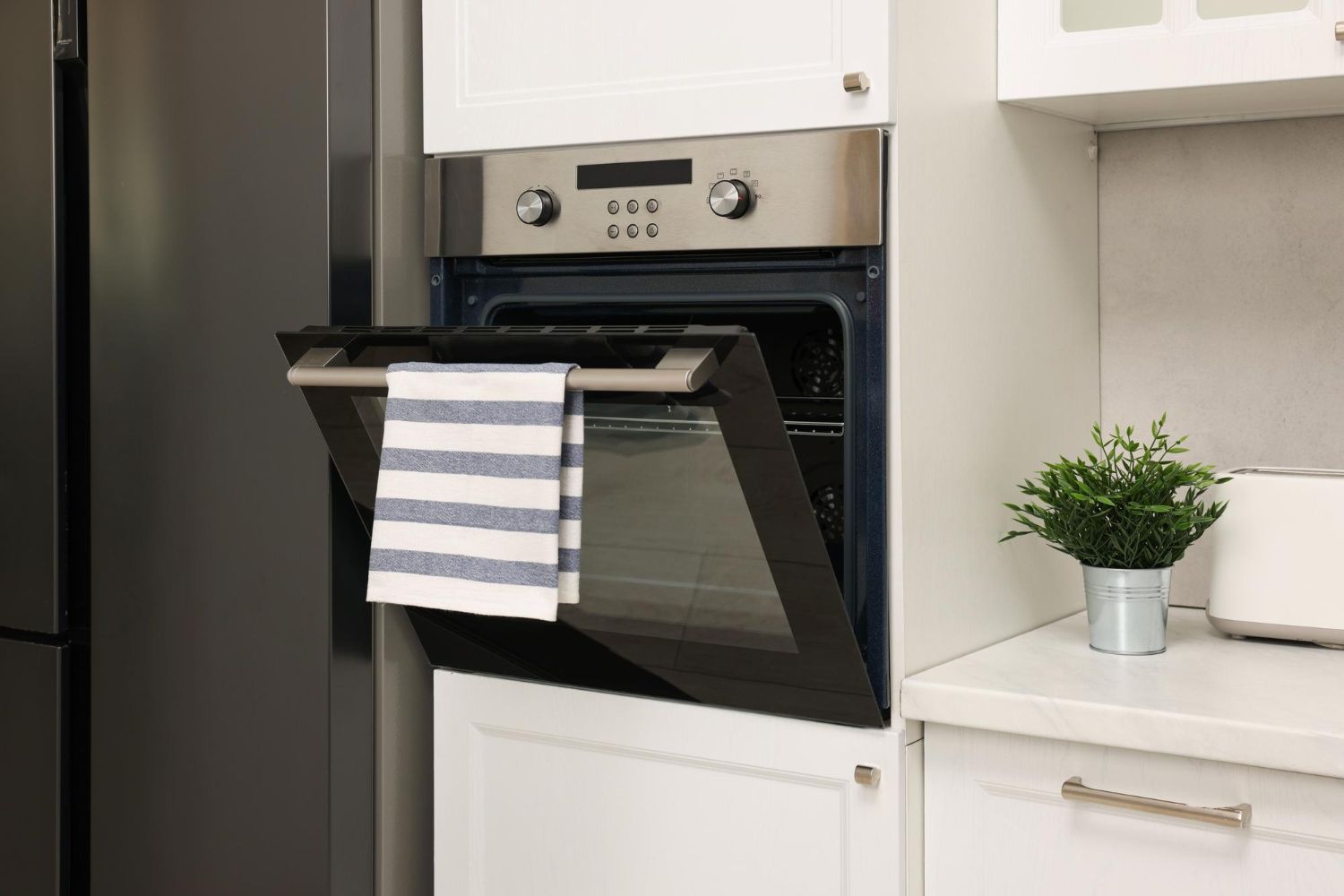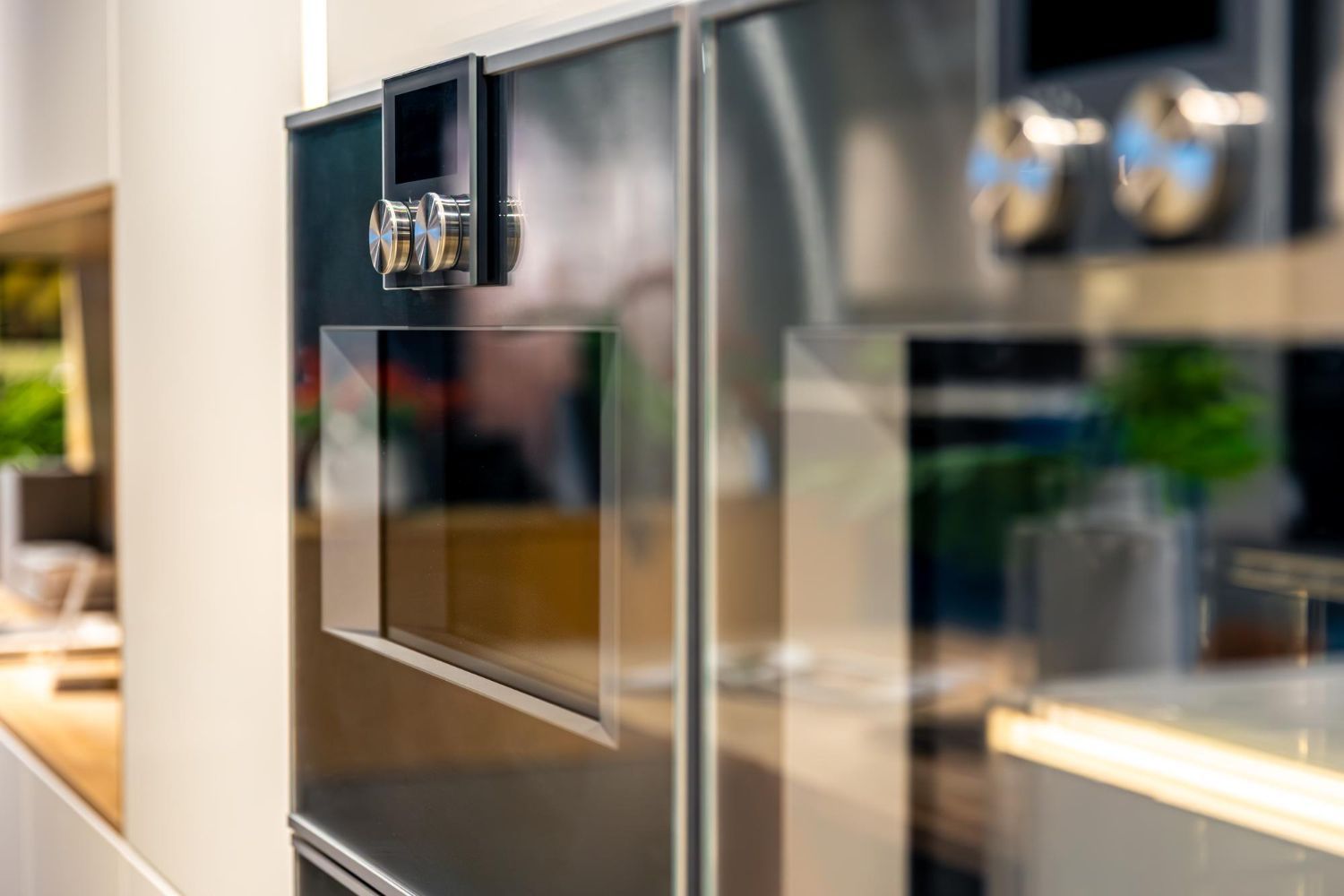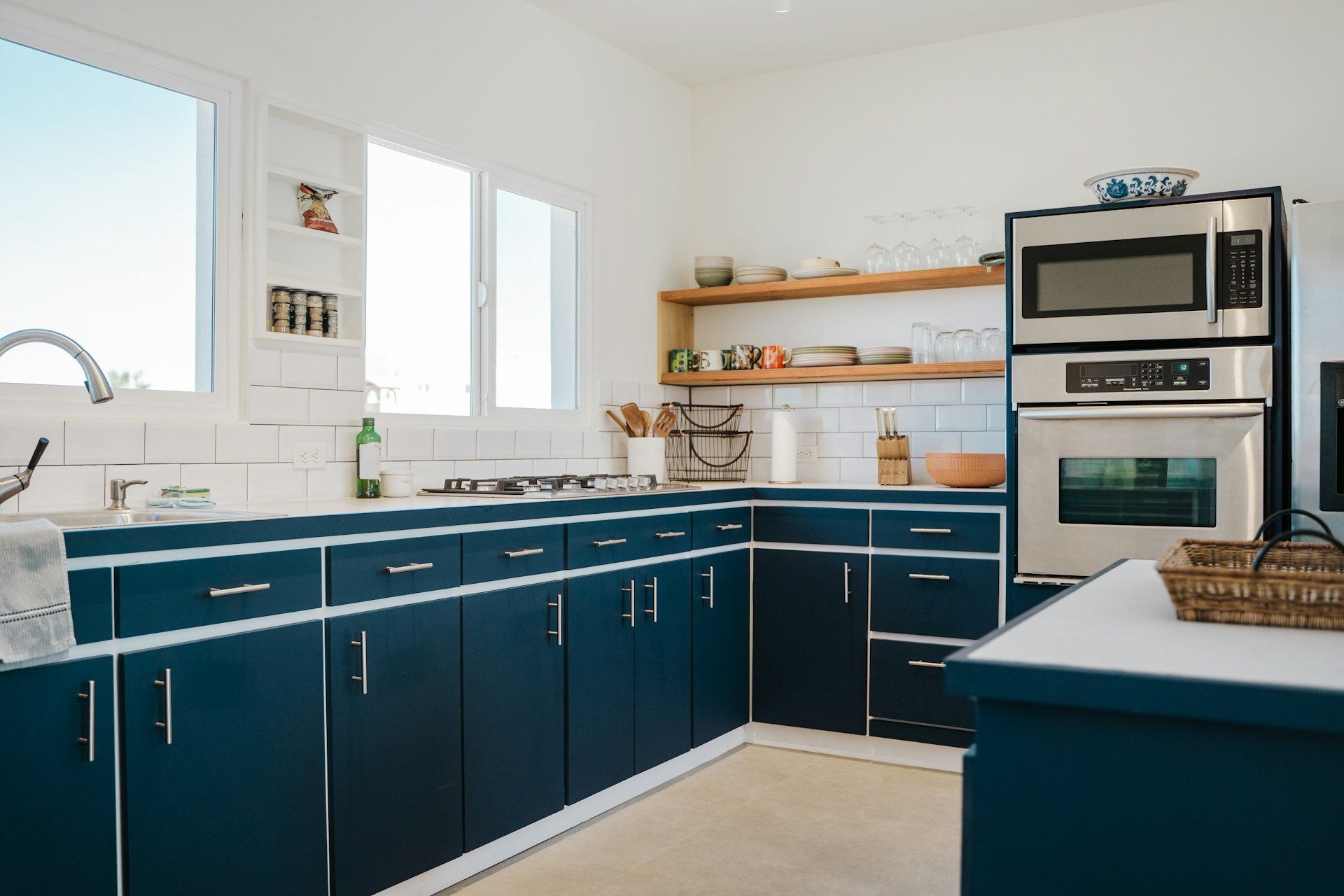
Island life has plenty of perks, but year-round humidity is not one of them when it comes to kitchen appliances. Stoves take a beating here. Whether it is rust along the edges, surfaces that do not stay clean, or burners that flicker more than they fire, moisture plays a major role in how long a stove holds up. If you are shopping for stoves in Honolulu, it is good to think about more than just style or brand. The climate matters, and so do the little details that help a stove stay reliable in damp conditions. This guide breaks down what to look for so your new appliance can stand up to the tropical environment and keep working the way it should. At Ross Appliance & Mattress, many of the stoves we sell are stylish, brand name units that are re-purposed and remanufactured, and each one includes a full warranty to support long-term use in island kitchens.
Choosing the Right Materials for Island Homes
Materials make a big difference when humidity is in play. Some finishes look great at first, but it does not take long for the salt in the air to catch up. Peeling paint, rust spots, or bubbling around control knobs are common issues that appear after too much moisture exposure.
Here is what to look for when it comes to stove materials:
- Stainless steel holds up better than regular steel, especially when it is treated with anti-corrosion coatings
- Choose models with smooth, sealed surfaces that will not trap damp air or allow buildup
- Avoid painted surfaces that chip easily or plastic parts that do not handle heat and moisture well
- Look for finishes meant for high humidity, especially if your kitchen is near a window or lacks cooling airflow
Some modern stoves now feature powder-coated surfaces made for durability, which can help resist chipping and rust in kitchens that tend to stay warm and sticky most of the day.
Ventilation and Moisture Control in the Kitchen
Ventilation often gets overlooked, but it plays a big role in how your stove functions over time. Humid air that does not move well can speed up wear on burners, controls, and surfaces. If your kitchen tends to feel stuffy or the walls get damp easily, it is worth rethinking how airflow works around your stove.
To improve performance and lifespan, keep these tips in mind:
- Pair your stove with a range hood or cooktop vent that can push out steam and heat
- Make sure vents are cleaned regularly so they do not just recycle humid air into the room
- Do not place stoves flush against a wall or tight corner if there is nowhere for moisture to escape
- Open windows when cooking or use fans to keep airflow moving, especially during long cook times
Better ventilation keeps things cooler, but it also helps reduce grease buildup and lowers the chances of salt settling on stove parts.
Gas vs. Electric: What Works Best in Humid Areas
Deciding between gas and electric often comes down to what your home setup allows, but in a humid climate, there are a few added things to think about. Each type has its ups and downs, especially when dealing with salty air and daily humidity.
Here is a quick breakdown to help weigh your options:
- Gas stoves offer quick heat adjustments, but their igniters can be sensitive. If moisture gets into the igniter or burner ports, sparks can be less consistent
- Electric stoves are often smoother on top, making them a bit easier to wipe down and less likely to collect salt or sugar spills that harden
- Electric coils, if not sealed well, can corrode over time in damp air unless they are cleaned and stored dry
- Gas can be more efficient for high-heat needs, but only if the system stays clean and protected from rust around the jets
Stoves in Honolulu usually perform better when they are paired with a good setup for cleaning and care, no matter the type. Think about what will work with your daily habits and how your kitchen is built.
What to Know About Caring for Stoves in Honolulu
Humidity and salt are not just part of the air here, they show up on every surface if left unchecked. That is why upkeep counts more in island kitchens. Small actions can make a big difference in how your stove holds up through the year.
Here are a few habits that help:
- Wipe down flat surfaces daily with a dry cloth, even if you have not cooked
- After every use, give burners and pan supports a quick clean to knock off any moisture or residue
- Do not use abrasive scrubbers that scratch the finish or remove protective layers
- Check burner seals, gas lines, and electronic touch panels regularly for signs of wear or salt buildup
During the rainy season or weeks with little breeze, it helps to leave a fan running to keep the space dry. Kitchens without natural airflow will collect dampness around the stove sooner than you would expect.
Staying Ahead of Humid-Weather Wear and Tear
Buying a new stove is a big step, but using it day to day in an island kitchen brings a few more challenges. The appliances that last here are not just well built, they are well maintained.
Picking the right materials and setup can save hours in upkeep later. Choosing models built around airflow and corrosion resistance gives you a better chance of keeping things running smoothly. For most Oahu addresses, Ross Appliance & Mattress offers island-wide delivery for a flat $75 fee, and our crews can remove your old appliance during the same visit when haul-away is arranged ahead of time.
In a place like Honolulu, even top stoves need a little extra help. Everyday habits, from wiping things dry to checking the burner ports before cooking, are what help keep rust and wear under control. With the right fit and some steady care, your stove can handle the weather and keep your kitchen ready for anything.
Humidity can wear out even the best kitchen appliances faster than expected. If you're trying to make your stove last in island conditions, it's worth starting with units that can handle the heat and the air. Ross Appliance & Mattress offers options made for island homes, matched with solid support. See what makes a difference by checking out our
stoves in Honolulu.