Why Humid Weather Ruins Most Mattresses in Honolulu
If you've ever felt like your mattress in Honolulu wears out faster than it should, you're not imagining it. The warm, damp air does more than just fog your windows. It works its way into the layers of your bed every day, slowly breaking things down from the inside. Most mattresses just aren’t built for this kind of climate. They stretch, sag, trap moisture, and start giving off smells before their time is really up.
That’s why when we're talking about mattresses in Honolulu, we have to think past comfort. The air around us plays a bigger role than most people realize. If your mattress doesn’t hold up through humid nights, it can start to affect how you sleep and how your room smells. Worse, it can even start growing things you don’t want anywhere near your pillow.
Why Humidity Speeds Up Mattress Wear
In dry places, mattresses mainly wear out from weight or age. But here in Honolulu, humidity adds a new kind of pressure. All that moisture in the air seeps into the fabric, padding, and core layers of a mattress. Over time, it sticks around long after the rain has passed.
Here’s what humidity tends to do:
• It softens materials inside the mattress, causing it to lose shape
• It can cause the core to break down faster than normal
• It often leaves a faint odor that doesn’t go away with airing out
Once water sneaks inside, especially in foam or layered beds, it's hard to dry it out completely unless you take it apart. This leads to that problem we all dread, sagging in the middle. A once-firm mattress becomes uneven or dips on one side, and suddenly you're not sleeping as well. And in most homes around Honolulu, where the windows stay open for breezes but let in that thick island air, the cycle keeps repeating.
Mold and Allergens: The Hidden Trouble
Moisture does more than wear out a mattress. It also invites things in. Mold loves humid air, especially when trapped inside dark spaces like the middle of a bed. Pair that with human heat and sweat, and it's a perfect spot for growth.
When that happens, we’re not just talking about a bad smell. Mold and mildew can cause problems like:
• Stuffy noses or morning congestion
• Mild skin irritation or itchiness
• Worsening allergy symptoms over time
Some mattresses even start to feel damp or clammy if they don't dry out after an extra humid day. All of this can creep in quietly. Once mold starts growing, it’s nearly impossible to remove fully without replacing the mattress. Cleaning the outside doesn’t solve a problem that lives deep inside the layers.
Dust mites add another layer of discomfort. They thrive in warm, damp bedding, and once they’re in, they’re tough to control. If you’re waking up with a tickle in your throat or a runny nose, your mattress might be the hidden reason.
Material Types That Don’t Hold Up in Tropic Conditions
Not all mattresses are bad in humid air, but some struggle more than others. Foam mattresses often trap heat and don’t release moisture easily, which makes them quick to sag or hold onto smells. Basic coil mattresses with thin covers can collect moisture in the padding, especially if there's no barrier or breathable space underneath.
Some materials hold up poorly here because:
• They’re sealed too tightly, so air can’t flow through and dry it out
• They’re made of synthetic fibers that soak up humidity and hold it in
• Their surfaces get sticky or slick, making sleep less comfortable
Even if a mattress feels fine when it's new, if it holds heat or holds water, it’s going to age faster in this kind of climate. You might notice it getting soft in the middle or noisy when you turn. By the end of a couple years, it starts to feel worn in a way that you don’t get on the mainland.
Tips for a Mattress That Lasts Longer in Honolulu
If you're shopping for a lasting mattress on the island, there are some features you’ll want to keep in mind. Not all mattresses in Honolulu are up to the challenge of warm nights and indoor humidity, so it helps to know what to look for.
Here are some mattress traits that can help:
• Breathable materials like cotton or wool that let air move
• Natural layers that resist moisture buildup
• Covers made with moisture-wicking fabric instead of plastic-style coatings
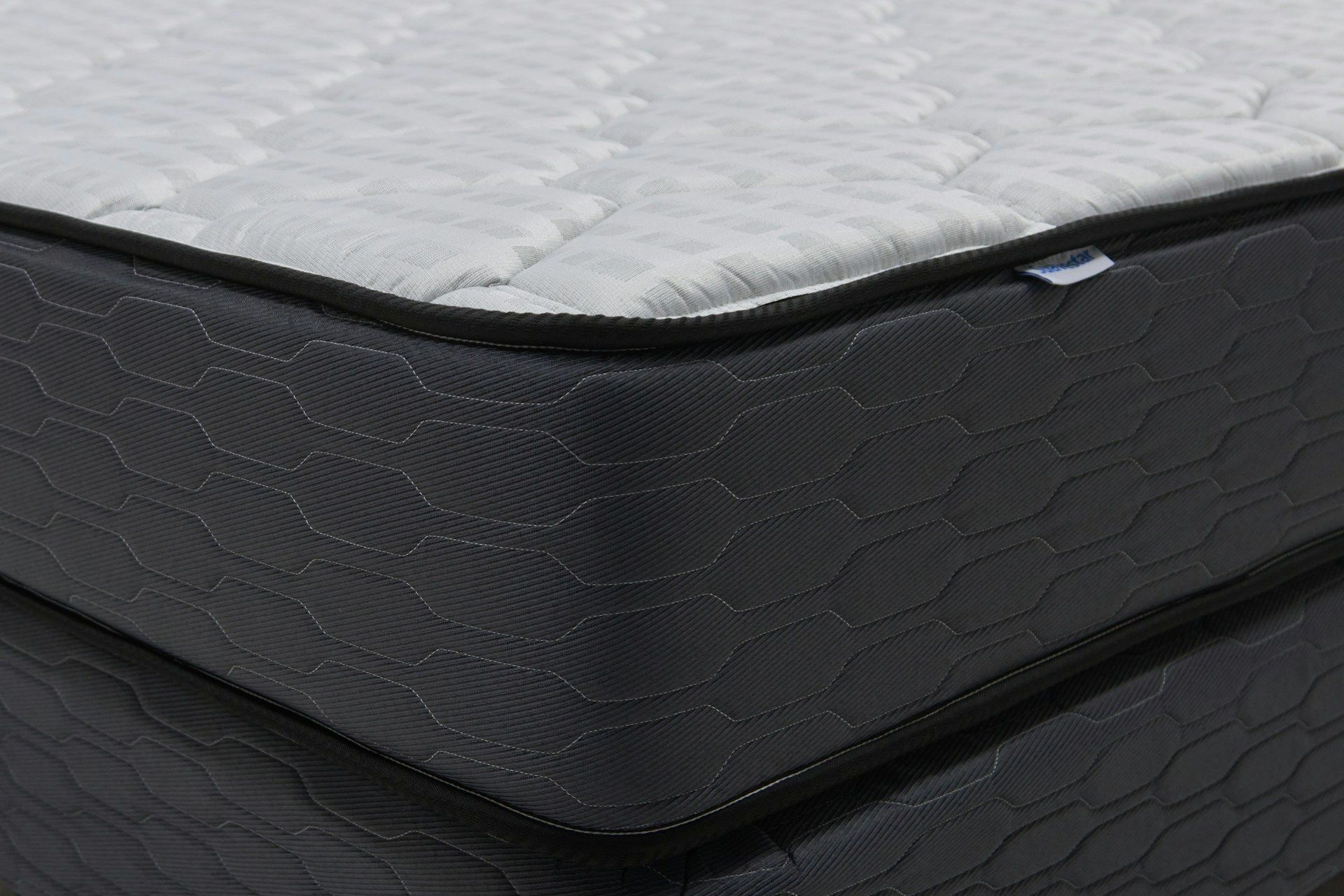
It’s not just about what's inside the mattress, either. Where and how you sleep matters. At Ross Appliance & Mattress, we manufacture green mattresses in Honolulu, Hawaii using 35 percent recycled materials along with new padding and quilting. Leaving space for air to move under your bed, using fans to keep the room well-ventilated, and drying sheets regularly all play small parts in keeping a mattress fresh.
Cooler air helps the materials inside shrink back to shape. With fewer sticky nights and trapped sweat, your mattress holds up better, smells better, and supports your body the way it should. Ross Appliance & Mattress can make a bed in any size, thickness, and firmness.
Better Sleep Starts with Better Choices
Humidity is just part of life in Honolulu. We deal with it year-round, and it affects more than our windows and walls. Mattresses break down faster here, and most don’t warn you they’re wearing out until problems arrive. From bad sleep to breathing issues, a worn-out bed in a humid room can feel like more trouble than it’s worth.
Tired of replacing your bed every few years because of the island’s humid climate? Choose a solution that’s built to last and designed for comfort. At Ross Appliance & Mattress, we offer a wide range of
mattresses in Honolulu that are made to breathe, resist moisture, and support you night after night. Start sleeping better—and longer—with a mattress designed for life in Honolulu.