Sleep Better in Honolulu's Humid Climate All Year Long
Humidity in Honolulu is no joke, especially on those still, muggy nights when the trade winds slow down. Many of us wake up sweaty, stuffy, or itchy and blame the weather, but a lot of the problem is hiding in our mattress and bedding. Moisture that hangs in the air at night can soak into fabric and foam, then stay trapped there.
That trapped moisture is what mold, mildew, and dust mites love most. They grow in warm, damp, dark spaces like the inside of a mattress or pillow. The good news is that the right mattress protector, smart bedding choices, and simple weekly habits can make a big difference in how you sleep and how healthy, and your bedroom feels.
At Ross Appliance & Mattress, we care about sleep that feels good and also respects the land. We focus on budget-friendly, eco-friendly mattresses in Honolulu and practical bedroom setups that work with our island climate, not against it. Let us walk through how moisture builds up in bedding, how to pick better protectors and fabrics, and how to keep your sleep space fresher all year.
Why Humid Honolulu Bedrooms Attract Mold and Mites
In Hawaii, the air stays warm day and night, and the humidity hangs around too. At bedtime, our bodies release heat and sweat into that already moist air. Add ocean air, closed windows during heavy rain, or AC running without a dehumidifier, and the bedroom can turn into a little moisture trap.
Here is what is going on in your bed:
- Sweat and body heat move into sheets, pillows, and the mattress surface
- Humid air slows down how fast things dry
- Deep inside the mattress, air barely moves, so damp spots stick around
Mold and mildew love that mix of warmth and lingering dampness. Dust mites feed on tiny skin flakes and like cozy, slightly moist fabric. When all of that builds up, you might notice:
- A musty or sour smell when you first pull back the covers
- Dark or yellowish spots on the mattress or pillows
- Morning congestion, runny nose, or itchy eyes
- Coughing more at night or feeling like allergies are worse in the bedroom
Keeping every window shut for long stretches, or running AC without any way to dry the air, can make these problems worse. On the flip side, newer eco-friendly mattresses in Honolulu, when paired with a good protector and some airflow, can resist mold and mites better than older beds that soak up moisture with no barrier at all.
Choosing the Right Mattress Protector for Island Living
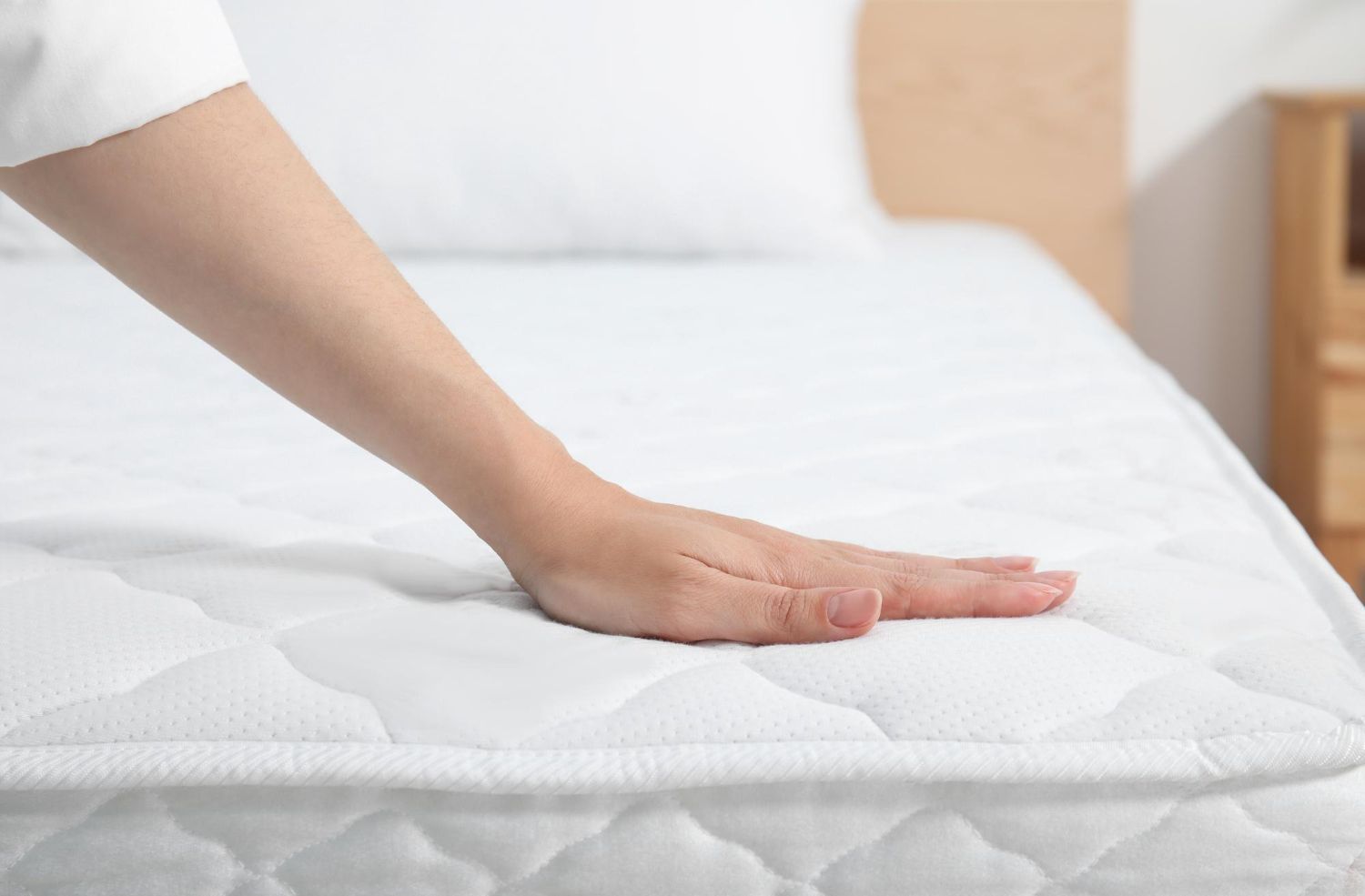
A mattress protector is like a rain jacket for your bed, but it has to breathe. In our climate, that balance is everything. You want to block sweat, spills, and humid air from going deep into the mattress, while still letting heat escape so you do not feel like you are sleeping on plastic.
Common types of protectors include:
- Thin waterproof membrane styles that fit like a fitted sheet
- Fully encasing zippered covers that wrap the whole mattress
- Cooling, breathable protectors made especially for humid weather
For Honolulu bedrooms, a waterproof yet breathable style is usually the best match. Look for a soft top layer with a thin, flexible backing that stops liquid but still lets air move. This type of protector shields the mattress from:
- Night sweats and humid air
- Accidental spills or kids jumping in bed with a drink
- Skin flakes that attract dust mites
Fabric makes a difference too. Cotton terry and bamboo blends feel soft, absorb moisture, and work well with eco-friendly mattresses in Honolulu. Some protectors also use sustainable or recycled materials, which fit nicely if you are trying to lower waste in your home.
Helpful features to check for:
- Noiseless design so it does not crinkle when you move
- Deep pockets to fit thicker or pillow-top mattresses
- Hypoallergenic labels to help limit allergen buildup
- Certifications that avoid harsh chemicals or heavy finishes
Pairing a quality protector with a remanufactured or eco-friendly mattress keeps more mattresses out of the landfill, stretches the life of what you already own, and supports a more planet-conscious way to sleep.
Best Bedding Materials to Fight Moisture and Allergens
The sheets and covers you choose can either trap heat and sweat or help pull it away from your body. Many synthetic fabrics hold onto moisture and feel sticky in humid air. Natural, breathable fibers usually feel cooler and dry faster.
Good choices for island bedrooms include:
- Organic cotton with a moderate thread count
- Bamboo or bamboo-blend sheets
- Tencel made from plant fibers
- Wool blends for lightweight, moisture-wicking layers
Instead of super heavy, dense sheets, go for lighter weaves. They allow air to move over your skin, which helps sweat evaporate instead of soaking into the mattress. For late summer and fall humidity, this can be the difference between tossing around all night and sleeping through until morning.
Washable layers also help keep dust mites and mildew under control. Think about adding:
- Pillow protectors you can wash with your sheets
- A washable mattress pad on top of your protector for extra comfort
- Duvet inserts that fit inside a removable, washable cover
Try to layer with the seasons. Use lighter comforters or quilts during warmer months, and choose materials that dry quickly after washing. All these choices help your eco-friendly mattress work its best, and they can improve indoor air quality for anyone who struggles with allergies.
Simple Weekly Habits to Keep Your Mattress Fresh
Even with the right protector and bedding, habits matter. A simple weekly routine can keep moisture, mold, and mites from getting settled in your bed.
Aim for these basics:
- Wash sheets and pillowcases in hot water once a week
- Wash pillow protectors and mattress pads regularly
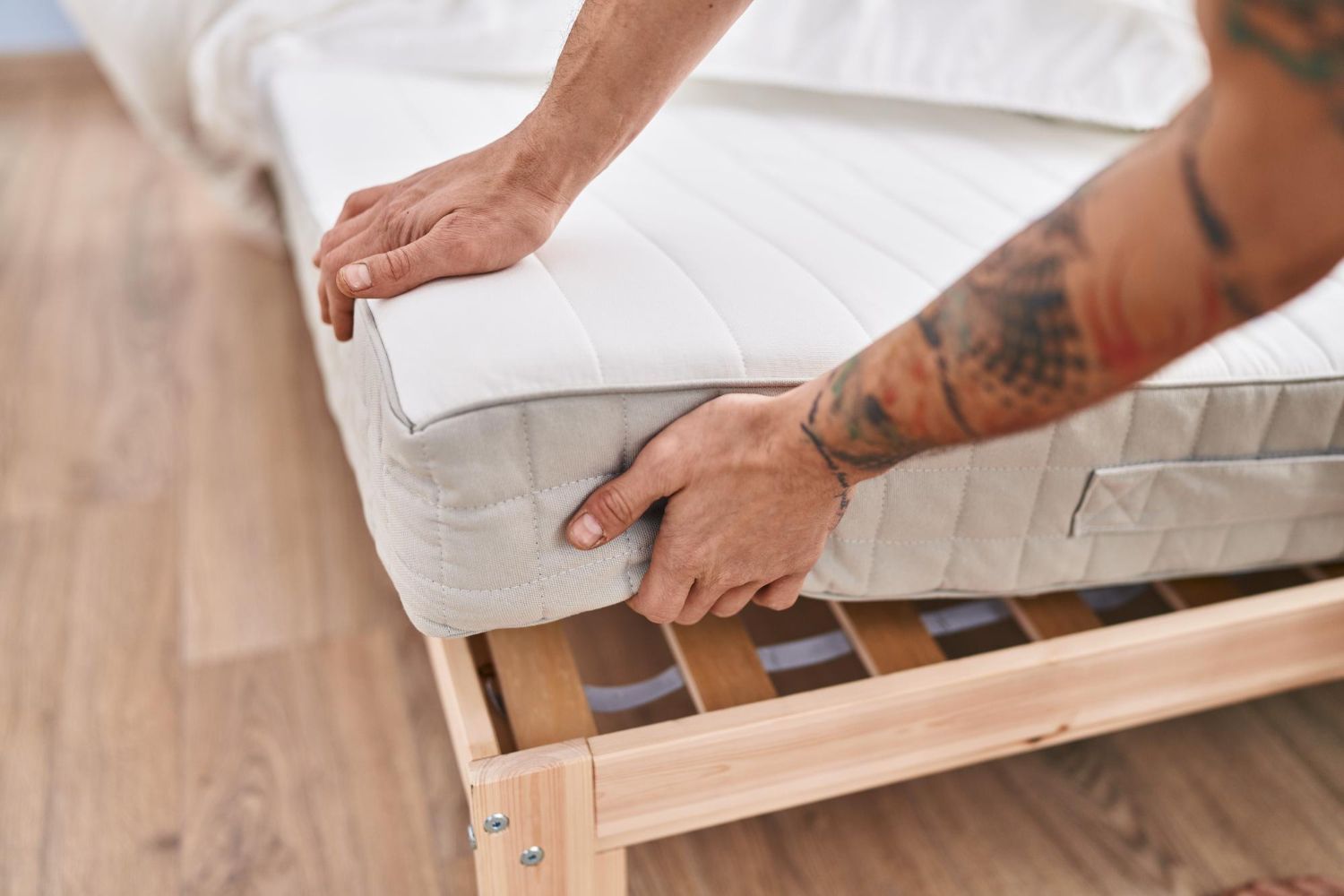
- Air out the mattress for 30 to 60 minutes when you change the bedding
While the mattress is bare, turn on a fan to move air across the surface. If your room tends to feel damp, a small dehumidifier can help during wetter stretches or during the peak of muggy nights in late summer. Keeping the air a bit drier helps everything dry out between sleeps.
Other helpful habits:
- Vacuum the mattress surface about once a month with a clean upholstery tool
- Spot-clean sweat marks or spills right away with a mild cleaner, then let the area dry fully
- Rotate or flip the mattress if the manufacturer allows it to prevent deep moisture pockets
- Sprinkle a little baking soda on the mattress now and then, let it sit, then vacuum to freshen odors
When the trade winds are blowing and it is not raining, opening windows for a short time can also help clear musty smells and bring in fresh air.
Create a Healthier Island Bedroom Starting This Week
With Honolulu's humid climate, keeping mold, mildew, and dust mites out of your bedroom takes some planning, but it is very doable. Choose a breathable, waterproof mattress protector, pair it with moisture-wicking bedding, and keep up with simple weekly cleaning and airing routines. That combination helps your bed dry faster, smell cleaner, and stay healthier.
Over time, these small steps can mean fewer musty smells, less morning congestion, and itching, and a mattress that lasts longer. At Ross Appliance & Mattress in Honolulu, we focus on eco-friendly mattresses in Honolulu, practical protectors, and bedding choices that respect the land while helping you sleep better in our island air. Even one small upgrade this week, like adding a protector or swapping to lighter sheets, can start you on the path to a fresher, healthier bedroom.
Sleep Better With a Healthier, Greener Mattress Choice
If you are ready to upgrade your bedroom with comfort that is better for you and the planet, explore our selection of eco-friendly mattresses in Honolulu. At Ross Appliance & Mattress, we will help you compare materials, support levels, and sizes so you can find the right fit for your home. Reach out today to ask questions, check availability, or schedule a visit, or simply contact us to get personal guidance from our team.